
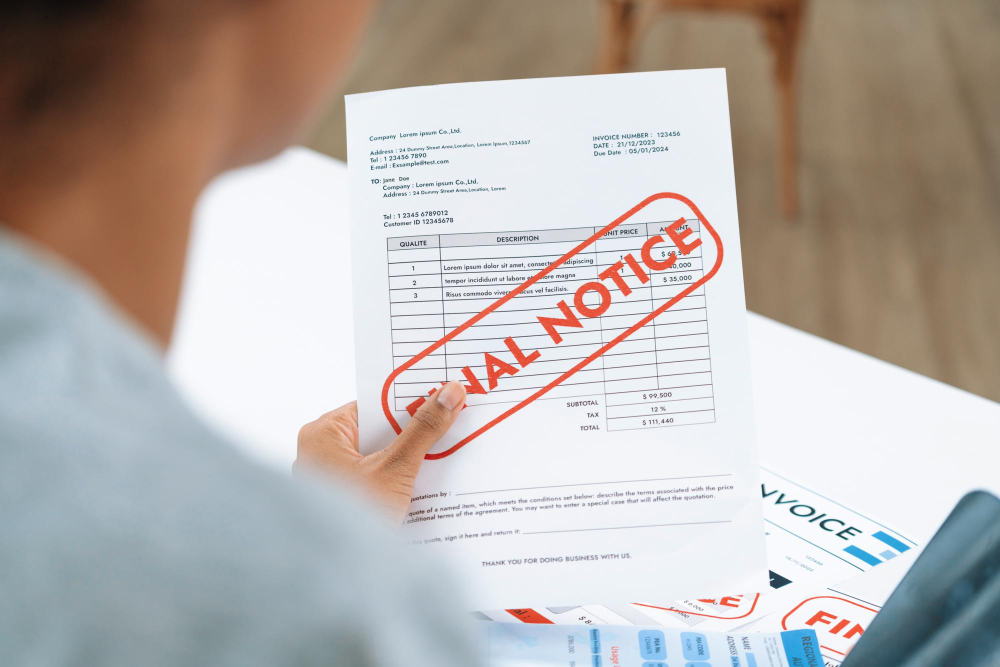
Have you ever felt like your project suddenly fell into a black hole after submitting a building permit in New York City?
Maybe, you are not alone.
The NYC Mayor’s Management Report confirms that the city processed 159,788 DOB permits in 2025.
With that level of volume, even a small filing mistake can push your project to the back of a very long line.
“As permit volume rises and scrutiny increases, even one missing document can cost you weeks of momentum.” - Menachem Moster, CEO of ACD&E Group.
If you want your project to move faster, avoid unnecessary objections, and stay on schedule, you need to understand the most common mistakes that derail NYC permit filings.
Let us start with the ones that cost people the most time and money.
Why So Many NYC Permit Applications Get Delayed
In NYC, the review process is built for precision. Incomplete documents, zoning mistakes, unclear drawings, or wrong filing categories are all reasons for automatic slowdowns.
And here is the proof. The NYC Department of Buildings reports that incomplete or inaccurate filings remain one of the leading causes of disapprovals.
Add to that the sheer volume of activity. The city issued 103,592 initial construction permits in 2024.
That means examiners are moving fast, and they will not slow down to interpret unclear plans or chase missing documents.
The result is simple. Clean filings move. Messy filings stall.
Before we break down the top mistakes, here is a quick table that summarizes why NYC filings run into trouble so easily.
Why NYC Permit Filings Fail
This is the environment you are navigating. Now, let us walk through the specific mistakes you should avoid.
Mistake 1: Submitting Incomplete or Incorrect Documentation
This one hurts the most because it is fully preventable. Missing site plans, incomplete drawings, unsigned forms, outdated surveys, or incorrect file formats can delay your project before an examiner even looks at the details.
The DOB states that missing required items account for a significant percentage of stalled applications.
If a single document is missing, the system flags your filing. You get pushed to the back of the queue. You resubmit. Then you wait all over again.
What you should do instead:
- Use a detailed checklist before hitting submit
- Confirm that every stakeholder has digitally signed their section
- Ensure all drawings follow DOB naming conventions and formatting rules
- Upload asbestos assessments, surveys, energy documents, and zoning materials early
A complete filing is the fastest path to approval.
Mistake 2: Choosing the Wrong Zoning Classification
NYC zoning is complex. If you file under the wrong zoning assumption or ignore special districts, your application is guaranteed to trigger objections.
The Department of City Planning confirms that zoning rules differ significantly across neighborhoods, and special districts come with additional conditions.
Incorrect zoning classification often leads to:
- Redesign requirements
- Conflicts with allowable use or FAR
- Lot coverage errors
- Egress or occupancy misunderstandings
Worse, you might end up filing under the wrong alteration type, which forces you to restart the process entirely.
How to avoid this:
Always conduct a zoning analysis before drawing anything. This allows you to design for compliance rather than redesign under pressure.
Mistake 3: Ignoring As-Built Drawings
Many NYC buildings have outdated records. If your submission does not match what DOB has on file, the examiner cannot approve it.
This is one of the top reasons filings stall during initial review. The building’s real condition must align with the proposed scope. If walls, plumbing lines, mechanical systems, or egress paths differ from what is recorded, your filing hits an immediate red flag.
Your solution:
- Conduct a field-verified as-built survey
- Reconcile discrepancies with DOB records
- Update your drawings before filing
Treat as-built documentation as the foundation for your entire submission.
Mistake 4: Submitting Low Quality or Inconsistent Plans
Poor drawings are one of the fastest ways to attract objections. Examiners review hundreds of plan sets weekly, and they will not guess what a blurry dimension or incomplete detail is supposed to represent.
Low-quality submissions typically include:
- Illegible text
- Missing dimensions
- Uncoordinated architectural and engineering sheets
- Conflicting notes across disciplines
- Plans that do not follow DOB layering, scaling, or formatting rules
The result is predictable. You get objections, then revisions, then more waiting.
The DOB has repeatedly emphasized that drawing clarity directly impacts review speed.
If an examiner cannot understand the drawing in seconds, they will issue an objection rather than hunt for clarity.
How you avoid this mistake:
- Use standardized layering and line weights
- Ensure engineering and architectural drawings match
- Add clear annotation and code references
- Have a second qualified professional review your full plan set before uploading
Think of your drawings like a map. If the map is fuzzy, the journey slows down. If it is crisp and readable, everything flows.
Mistake 5: Misunderstanding How to Respond to Objections
Getting objections is normal. Mishandling them is not.
Many applicants rush their response, miss critical points, or fail to attach corrected drawings. Others misunderstand the DOB’s instructions or respond only to part of an objection, leaving the remaining issues unresolved.
This is one of the top causes of repetitive disapprovals.
A study from the National Association of Home Builders found that regulatory processes account for 23% of the total cost of new construction.
In NYC, slow objection cycles amplify that cost through time loss, contractor delays, and financing drift.
Your best approach:
- Read each objection carefully
- Address every item clearly and fully
- Provide revised drawings, not just explanations
- Upload a detailed response letter that references the sheet numbers
- Request a discussion with the examiner when clarification is needed
A well-crafted response can cut weeks from your timeline.
Mistake 6: Starting Work Without a Permit
It happens more often than you think. Someone assumes a small interior change is exempt, or a contractor wants to get a head start.
The problem is that NYC takes unpermitted work seriously. Violations can lead to:
- Stop work orders
- Heavy fines
- Mandatory demolition of unapproved work
- Delayed approvals for future filings
Across the United States, the NAHB reports that regulatory compliance delays significantly increase project costs and timelines.
In NYC, where inspectors frequently visit active sites, it is a costly gamble.
The fix:
Always wait for the permit issuance in DOB NOW.
Approval is not authorization.
The permit is.
Mistake 7: Not Knowing How Long NYC Permit Approval Actually Takes
Many owners underestimate the timeline. Even a clean filing can take several weeks. Complex projects often take much longer, especially during seasonal surges.
The DOB’s metrics show that review cycles vary widely based on workload and project type.
Delays multiply when you:
- Submit close to January and early spring
- Have multiple trades
- Require separate agency approvals, such as LPC or FDNY
- Need structural review
This is why project teams often fall behind schedule. They assume approvals will come in days when the realistic window is weeks.
Set yourself up for success:
- Plan permitting early
- Build buffer time into your schedule
- Avoid peak seasons when possible
- Submit complete, coordinated plans up front
In NYC, permit speed is rarely luck. It is preparation.
Mistake 8: Overlooking Secondary Approvals and Compliance Requirements
DOB approval is only part of the process. Many NYC projects require additional sign-offs before a permit can be issued.
Common examples include:
Landmarks Preservation Commission for historic buildings
- FDNY for fire alarm, sprinkler, or life safety systems
- DEP for asbestos clearance
- DOT for sidewalk or street use
- HPD for certain residential improvements
Failing to handle these early creates avoidable bottlenecks later.
The National Multifamily Housing Council found that regulations cause an average 24% increase in multifamily development costs nationwide.
NYC, with its overlapping agencies, can push that impact even higher.
Avoid the delays:
- Identify all required agencies before choosing your scope
- Submit in parallel whenever possible
- Upload all external approvals to DOB NOW as soon as they are available
Projects that coordinate secondary approvals early get permits much faster.
Mistake 9: Assuming All DOB Permits Work the Same Way
NYC has multiple filing types, each with its own rules.
If you file under the wrong category, DOB will eventually flag the inconsistency. This forces redesign, reclassification, or even a full refile.
Some examples:
- Combining apartments usually triggers an Alt 1, not an Alt 2
- New egress paths require higher scrutiny
- Adding units changes occupancy and requires a new Certificate of Occupancy
Misclassification is more common than you think. Each alteration type comes with different review requirements, costs, and timelines.
Your move:
Let a qualified architect classify your filing before you draw anything. It will save you weeks of backtracking.
Mistake 10: Waiting Too Long to Get Professional Help
DIY filings sound simple until you hit your first zoning interpretation or receive a five-item objection letter that references three code sections. At that point, many owners realize they need help.
The NAHB reports that government regulations add substantial delays and costs across the construction process.
In NYC, those delays multiply because of zoning density, building age, and multi-agency oversight.
Working with experienced architects, expeditors, and zoning consultants often means:
- Faster filings
- Fewer objections
- Clearer coordination across trades
- Better scheduling and budget control
If you want a smoother permit journey, bring specialists in early.
FAQ: Common Questions About NYC Permit Mistakes
Do I really need a permit for small renovations in NYC?
Yes. Under NYC DOB rules, any work involving plumbing, electrical, structural changes, partition modifications, or changes to egress requires a permit. Cosmetic updates like painting or flooring do not, but most interior renovations do.
What happens if I start work without a permit?
You risk fines, violations, a Stop Work Order, and expensive corrective work.
NYC issued more than 12,000 Stop Work Orders in 2023 according to the NYC Department of Buildings Annual Report. Clearing one can delay your project for months.
How fast should I respond to DOB objections?
As quickly as possible. The longer objections sit, the more your filing stagnates. Response delays are one of the top contributors to multi-month approval cycles reported in the NYC Mayor's Management Report.
Can an owner file without an architect?
Not for most projects. NYC requires an RA or PE for the majority of filings, especially anything involving layout changes, structural modifications, use changes, or multi-trade work. This is stated directly in the NYC Building Code.
Is zoning really that big of a deal?
Absolutely. Zoning dictates everything from permitted uses to height limits and yard requirements. Misclassifying your zoning is one of the fastest ways to receive objections. The NYC Zoning Resolution governs NYC zoning rules, and they’re updated frequently.
Where You Go From Here
Mistakes in NYC permitting don’t just delay schedules. They drain budgets, stress teams, and force redesigns you never planned for. You deserve a smoother path through one of the most complex building environments in the country.
If you want an expert partner who handles filings, objections, zoning reviews, and full DOB compliance from start to finish, ACD&E Group is here to help you move your project forward with clarity and confidence.

.png)

.png)